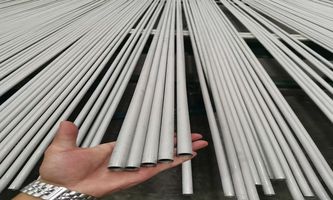
How to Properly Store and Protect Steel Pipes
1. Introduction
Steel pipes are essential components in industries such as construction, oil and gas, water supply, and energy infrastructure. Whether they are seamless, welded, or galvanized, proper storage and protection are critical to maintaining their quality, longevity, and usability.
Improper storage can lead to corrosion, deformation, and contamination, which not only affect performance but also increase project costs and safety risks.
This article provides a comprehensive guide on how to properly store, handle, and protect steel pipes to ensure they remain in top condition from the factory to the project site.
2. Why Proper Storage Matters
Steel is strong, but it is also susceptible to environmental damage if not handled correctly. Common problems caused by poor storage include:
-
Rust and corrosion from moisture exposure
-
Surface damage due to friction or contact with hard objects
-
Ovality or bending when pipes are stacked improperly
-
Contamination by dirt, chemicals, or oil residues
-
Coating degradation, especially for galvanized or epoxy-lined pipes
These issues can compromise structural integrity and lead to rejection during inspection or installation.
Proper storage practices help extend service life, reduce maintenance costs, and maintain compliance with ASTM, API, and ISO quality standards.
3. Pre-Storage Inspection
Before storing steel pipes, conduct a thorough visual and quality inspection:
-
Check for Defects:
Look for cracks, dents, or weld irregularities. -
Ensure Dry and Clean Condition:
Pipes should be free from moisture, oil, or chemical residues. -
Apply Anti-Corrosion Coating:
For long-term storage, coat pipe surfaces with anti-rust oil or varnish. -
Cap Pipe Ends:
Use plastic end caps to prevent the entry of dust, insects, or water. -
Mark and Label Clearly:
Attach identification tags showing pipe size, grade, standard, and batch number for traceability.
4. Choosing the Right Storage Environment
The environment determines how well steel pipes maintain their properties during storage.
a. Indoor Storage (Recommended)
For high-value or precision pipes (such as seamless, alloy, or galvanized pipes):
-
Store in a well-ventilated, dry warehouse.
-
Keep temperature and humidity stable (below 70% RH).
-
Avoid contact with acidic vapors or chemicals.
-
Use wooden blocks or rubber pads to keep pipes off the floor.
b. Outdoor Storage (When Indoor Space Is Limited)
If pipes must be stored outdoors:
-
Place them on elevated supports (at least 150mm above ground).
-
Cover with waterproof tarpaulin or UV-resistant plastic sheets, ensuring air circulation underneath.
-
Orient stacks slightly inclined to allow rainwater drainage.
-
Avoid direct soil contact to prevent corrosion.
5. Stacking and Handling Best Practices
a. Stacking
-
Sort by Size and Type: Stack pipes of the same diameter together.
-
Use Wooden or Rubber Separators: Prevent steel-to-steel contact.
-
Limit Stack Height: Do not exceed 2 meters to avoid deformation.
-
Align Ends Properly: Uneven stacking causes bending stress.
-
Mark Each Layer: Clearly indicate material grade and size.
b. Handling
-
Use Slings or Pipe Hooks: Avoid steel chains that can damage the surface.
-
Lift Gently: Never drop pipes from a height.
-
Transport Securely: Fix pipes firmly on trucks using soft straps.
-
Avoid Rolling on Rough Surfaces: This can scratch protective coatings.
6. Corrosion Protection Methods
Corrosion is the most common threat during long-term storage. Depending on the pipe type and application, different protection methods can be applied:
| Method | Description | Typical Use |
|---|---|---|
| Oil Coating | Apply anti-rust oil on carbon steel pipes | Short to mid-term storage |
| Galvanizing (HDG) | Zinc coating for long-term corrosion resistance | Water & structural pipes |
| Epoxy / 3LPE Coating | Polyethylene or epoxy layer for buried pipelines | Oil & gas projects |
| Varnish or Black Paint | Standard factory coating for ERW or LSAW pipes | Export shipment |
| End Caps & Plastic Wrapping | Prevent contamination & moisture | All pipe types |
At Hebei Cangtie Steel Pipe Co., Ltd., every pipe can be supplied with customized anti-corrosion treatment and protective packaging based on project requirements.
7. Long-Term Storage Tips
When pipes are stored for extended periods (over 6 months), additional care is needed:
-
Regular Inspection:
Check every 3 months for rust or deformation. -
Rotate Stock:
Follow the FIFO principle (First In, First Out). -
Maintain Coatings:
Reapply anti-rust oil if surfaces appear dry or faded. -
Reinforce Covers:
Replace damaged tarpaulins to avoid moisture ingress. -
Keep Surroundings Clean:
Prevent accumulation of water, dust, or weeds around storage areas.
8. Packaging for Export and Transport
For overseas shipments, steel pipes must be packed to withstand long-distance handling and environmental exposure:
-
Bundles: Pipes are typically bundled with steel straps and wrapped with plastic film or woven fabric.
-
Marking: Each bundle carries markings with size, material grade, standard, and heat number.
-
End Protection: Plastic caps or bevel protectors are added.
-
Container Loading: Pipes are blocked and braced securely to avoid movement during transit.
-
Optional Palletization: For smaller diameter pipes, wooden pallets can simplify unloading.
Hebei Cangtie’s packaging process complies with export safety standards and ensures pipes arrive in perfect condition, ready for installation.
9. Common Mistakes to Avoid
-
Storing pipes directly on the ground without supports.
-
Mixing coated and uncoated pipes in the same stack.
-
Using dirty or wet packaging materials.
-
Ignoring condensation inside covered storage.
-
Forgetting to reapply protective coating after long-term storage.
Avoiding these mistakes can save thousands of dollars in potential rework or replacement costs.
10. Conclusion
Proper storage and protection of steel pipes are just as important as their manufacturing process. By ensuring dry, clean, and well-supported storage, along with regular inspection and corrosion protection, companies can significantly extend the service life of their pipeline materials.
At Hebei Cangtie Steel Pipe Co., Ltd., we not only manufacture ERW, LSAW, SSAW, and seamless pipes, but also provide professional packaging and storage solutions tailored to each customer’s project.
Our goal is to deliver products that remain durable and reliable—from factory to installation site.
Contact Us:
Hebei Cangtie Steel Pipe Co., Ltd.
+86-19061773869
Large Diameter Pipeline Solutions: In-depth Analysis of Spiral Steel Pipe's Unique Advantages and Broad Applications
How to Choose ERW Pipe: A Complete Buyer’s Guide for Quality and Reliability