The Power of Crosshole Sonic Logging (CSL) and Beyond
In the realm of civil engineering, the integrity of deep foundation elements stands as a cornerstone for the stability and longevity of structures. Whether constructed from concrete or grout, these foundational components must undergo rigorous assessment to ensure they are free from defects that could compromise their load-bearing capacity. Among the array of testing techniques available, Crosshole Sonic Logging (CSL) emerges as the most accurate and reliable method for evaluating the integrity of these critical elements.
1.The Unmatched Precision of CSL Testing
CSL testing is a non-destructive evaluation technique that leverages ultrasonic waves to probe the internal structure of deep foundation elements. Its primary application lies in quality assurance (QA) for newly placed drilled shafts and auger cast piles, where it serves as a vital tool to verify the soundness of the concrete. However, the versatility of CSL extends beyond these primary uses, finding application in slurry walls, mat foundations, and mass concrete pours as well.
The core principle of CSL testing involves transmitting ultrasonic waves from one access tube to another, with the waves traveling through the concrete matrix. By measuring the time it takes for these waves to traverse the distance between the tubes and analyzing their amplitude and frequency characteristics, engineers can infer the integrity of the concrete. A uniform and consistent wave propagation indicates sound concrete, while any disruptions or anomalies in the wave pattern suggest the presence of defects.
2.Defect Detection and Characterization with CSL
One of the most significant advantages of CSL testing is its ability to not only detect defects but also characterize them in terms of their extent, nature, depth, and approximate lateral location. This comprehensive defect assessment is crucial for making informed decisions regarding the repair or reinforcement of the foundation element.
Defects such as soil intrusions, necking (narrowing of the shaft diameter), sand lenses, and voids can all be identified with CSL. Soil intrusions occur when soil particles infiltrate the concrete during placement, compromising its strength and durability. Necking, on the other hand, reduces the cross-sectional area of the shaft, thereby decreasing its load-bearing capacity. Sand lenses are localized accumulations of sand within the concrete, which can act as stress concentrators and lead to premature failure. Voids, or empty spaces within the concrete, can significantly weaken the structure and are often the result of improper compaction or air entrapment.
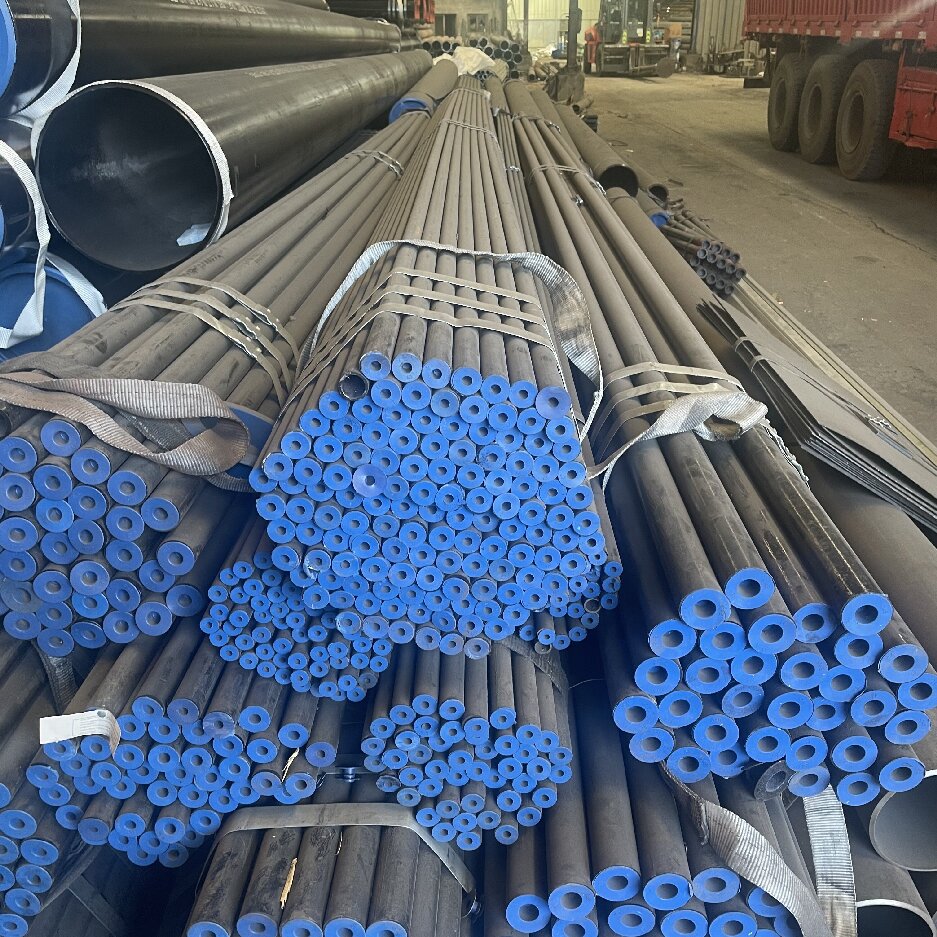
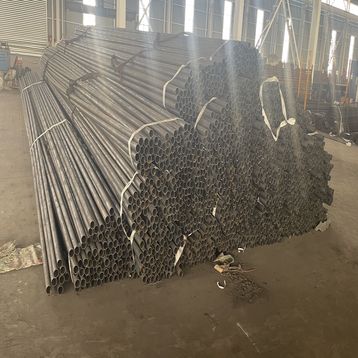
CSL testing is typically performed using access tubes of 1.5 inches in internal diameter (I.D.) or greater. These tubes, which can be made of steel or PVC, are tied to the rebar cage and cast into the shaft at the time of construction. The strategic placement of these tubes ensures that the ultrasonic waves can penetrate the concrete from multiple angles, providing a thorough assessment of its internal structure.
3.Alternative Approaches and Variations
While CSL testing is the preferred method for evaluating the integrity of deep foundation elements, there are alternative approaches and variations that can be employed under specific circumstances. For instance, if coreholes are available, CSL testing can be performed using these pre-drilled holes instead of access tubes. This approach can be particularly useful in retrofitting or repairing existing structures where installing new access tubes is not feasible.
Another variation of the CSL method is Single-Hole Sonic Logging (SSL). SSL is designed for smaller diameter drilled mini-piles and auger cast piles where only a single access tube can be placed. In this method, ultrasonic waves are transmitted and received through the same access tube, testing the concrete quality in the region immediately surrounding the tube. While SSL provides a more localized assessment compared to CSL, it can still be a valuable tool for detecting defects in smaller foundation elements.
4.Advancing Defect Analysis with Crosshole Tomography (CT)
Despite the comprehensive defect detection capabilities of CSL, there are instances where more detailed information about a defect's size, shape, and nature is required. In such cases, Crosshole Tomography (CT) testing can be employed as a complementary technique.
CT testing builds upon the principles of CSL by using multiple access tubes to create a two-dimensional (2D) or three-dimensional (3D) image of the interior of the foundation element in the area of the defect. By analyzing the ultrasonic wave propagation patterns from multiple angles, CT can reconstruct a detailed image of the defect, revealing its exact size, shape, and location within the concrete.
This advanced imaging capability makes CT testing an invaluable tool for engineers and construction professionals. It allows them to visualize the defect in high resolution, enabling them to make more accurate assessments of its potential impact on the structural integrity of the foundation element. With this information, they can develop targeted repair strategies that address the specific nature of the defect, minimizing the need for extensive and costly repairs.
5.The Importance of Regular Integrity Testing
Regular integrity testing of deep foundation elements is essential for ensuring the long-term stability and safety of structures. By detecting defects early on, engineers can take proactive measures to repair or reinforce the foundation before it fails. This not only prevents catastrophic failures but also extends the lifespan of the structure, reducing the need for frequent maintenance and replacement.
Moreover, integrity testing plays a crucial role in quality control during the construction process. By verifying the soundness of the concrete at each stage of construction, engineers can ensure that the foundation element meets the required specifications and standards. This helps to prevent defects from occurring in the first place, reducing the likelihood of costly rework and delays.
Conclusion
In conclusion, Crosshole Sonic Logging (CSL) stands as the most accurate and reliable technique for assessing the integrity of deep foundation elements constructed from concrete or grout. Its ability to detect and characterize defects with precision makes it an indispensable tool for engineers and construction professionals. By employing CSL testing, along with its variations and complementary techniques like Crosshole Tomography (CT), we can ensure the soundness of our deep foundation elements, safeguarding the stability and longevity of our structures for generations to come. Regular integrity testing is not just a best practice; it is a necessity for ensuring the safety and reliability of our built environment.
Exploring the Multifaceted Benefits of Cross-Hole Sonic Logging (CSL)
The Crosshole Sonic Logging Method
Related Article