Zero-Defect Manufacturing: The Secret Behind Our Spiral Steel Pipes

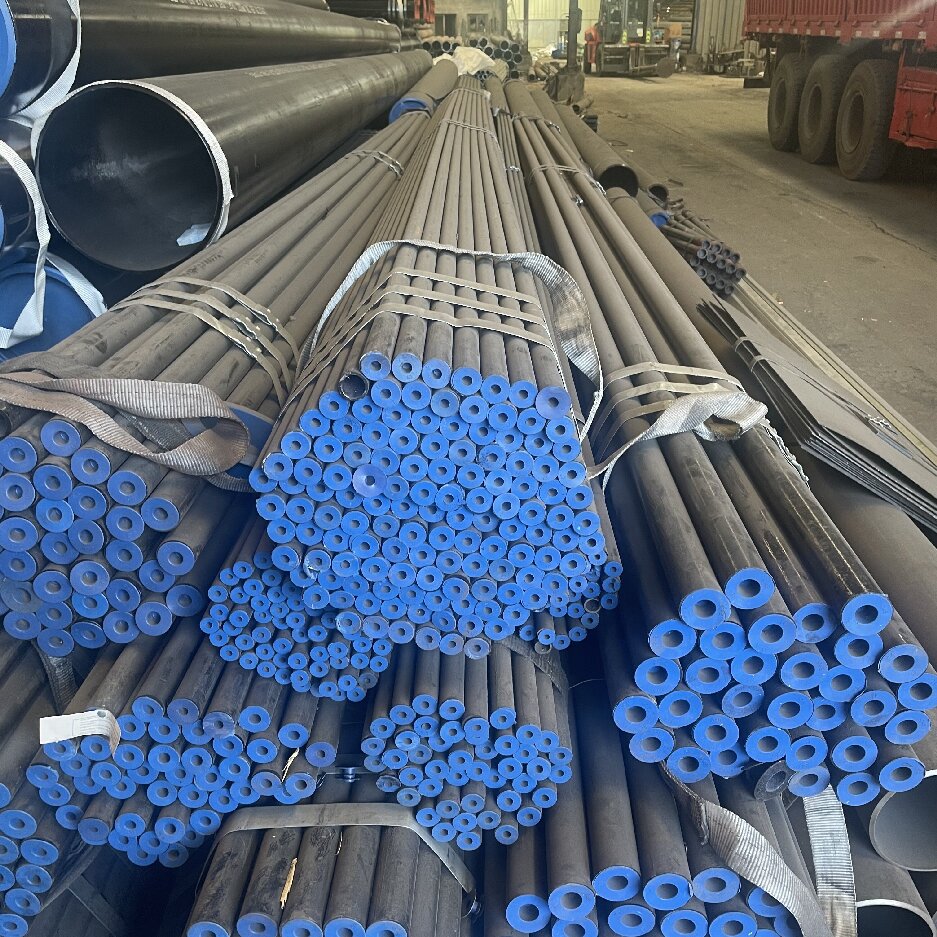
In the world of industrial piping, zero defects are not just a goal but an absolute necessity. The reliability and performance of piping systems directly impact the safety, efficiency, and cost-effectiveness of numerous industrial operations. Our ASTM A106 Gr.B / A53 Gr.B / API 5L X42 Hot-Dipped Galvanized BSPT Threaded Seamless Spiral Steel Pipes exemplify our unwavering commitment to excellence in manufacturing. This article delves into the advanced techniques and rigorous quality control measures that ensure our spiral steel pipes meet and exceed the highest industry standards.
1.The Importance of Zero-Defect Manufacturing in Spiral Steel Pipes
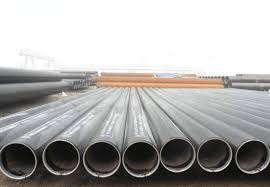
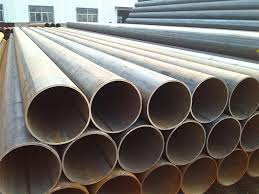
Spiral steel pipes, known for their unique manufacturing process that involves winding a steel strip into a cylindrical shape and then welding the edges together, are widely used in various applications such as oil and gas transportation, water supply, and structural support. The spiral welding process offers several advantages, including cost-effectiveness, flexibility in producing different diameters and wall thicknesses, and the ability to use a wider range of steel grades. However, achieving zero defects in spiral steel pipes is particularly challenging due to the complexity of the welding process and the potential for defects such as weld porosity, incomplete penetration, and cracks.
Zero-defect manufacturing is crucial for spiral steel pipes because even minor flaws can have catastrophic consequences. In oil and gas pipelines, for example, a single defect can lead to leaks, which not only cause environmental damage but also result in significant financial losses and operational disruptions. Similarly, in water supply systems, defects can compromise the integrity of the pipes, leading to contamination and health hazards. Therefore, ensuring that each spiral steel pipe is manufactured to the highest quality standards is essential for maintaining the safety and reliability of these critical infrastructure components.
2.Advanced Manufacturing Techniques for Spiral Steel Pipes
To achieve zero defects in our spiral steel pipes, we employ a range of advanced manufacturing techniques that focus on precision, consistency, and quality control throughout the production process.
2.1 Pre-Finishing Welding: Elevating Quality Standards
One of the key techniques we use is pre-finishing welding, also known as pre-welding or pre-forming welding. This process involves pre-welding the edges of the steel strip before it is formed into a cylindrical shape. By doing so, we ensure that the weld bead is uniform and consistent, reducing the likelihood of defects such as porosity and incomplete penetration. Pre-finishing welding also allows for better control over the weld geometry, which is crucial for maintaining the structural integrity of the pipe.
The pre-finishing welding process is carried out using high-precision welding equipment that is capable of producing consistent and high-quality welds. The welding parameters, such as current, voltage, and travel speed, are carefully monitored and adjusted to ensure optimal weld quality. Additionally, the use of automated welding systems reduces the risk of human error, further enhancing the reliability of the welding process.
2.2 Online Non-Destructive Testing: Ensuring Zero Defects
Another critical aspect of our zero-defect manufacturing approach is the integration of online non-destructive testing (NDT) technologies into the production line. NDT methods allow us to inspect the pipes for defects without damaging or altering their structure, ensuring that any flaws are detected and rectified before the pipes leave the factory.
We employ a combination of NDT techniques, including automated ultrasonic testing (AUT) and real-time X-ray imaging, to provide comprehensive inspection coverage. AUT uses high-frequency sound waves to detect internal defects such as cracks, inclusions, and porosity, while X-ray imaging provides a detailed view of the weld zone, allowing us to identify any surface or near-surface defects.
The online NDT systems are integrated into the production line, enabling continuous monitoring of pipe integrity during manufacturing. This real-time feedback loop allows us to immediately identify and address any issues, preventing defective pipes from progressing further in the production process. By incorporating NDT into our manufacturing workflow, we can guarantee that each spiral steel pipe meets the highest quality standards before it is shipped to our customers.
2.3 Hot-Dipped Galvanizing: Enhancing Corrosion Resistance
In addition to ensuring structural integrity, we also focus on enhancing the durability and longevity of our spiral steel pipes through the use of hot-dipped galvanizing. This process involves immersing the pipes in a bath of molten zinc, which forms a protective coating on the surface of the steel. The zinc coating acts as a barrier against corrosion, preventing the underlying steel from coming into contact with corrosive elements such as moisture, chemicals, and salts.
Hot-dipped galvanizing offers several advantages over other corrosion protection methods, such as painting or electroplating. Firstly, the zinc coating provides long-lasting protection, with a service life that can exceed several decades in many environments. Secondly, the galvanizing process creates a metallurgical bond between the zinc and the steel, ensuring that the coating remains intact even under harsh conditions. Finally, hot-dipped galvanizing is a cost-effective solution, as it requires minimal maintenance and does not need to be reapplied periodically like paint or other coatings.
Our hot-dipped galvanizing process is carried out in accordance with international standards, ensuring that the coating thickness and quality meet the required specifications. The galvanized spiral steel pipes are then subjected to further inspection to verify that the coating is uniform and free from defects such as drips, runs, or bare spots. By incorporating hot-dipped galvanizing into our manufacturing process, we can provide our customers with spiral steel pipes that offer superior corrosion resistance and long-term durability.
3.Quality Control Measures for Spiral Steel Pipes
In addition to the advanced manufacturing techniques described above, we also implement a range of quality control measures to ensure that our spiral steel pipes meet the highest standards of quality and reliability.
3.1 Raw Material Inspection
The quality of the raw materials used in the manufacturing process has a significant impact on the final product. Therefore, we conduct thorough inspections of the steel strips and other materials before they are used in production. This includes checking for chemical composition, mechanical properties, and surface defects to ensure that the materials meet the required specifications.
3.2 In-Process Inspection
During the manufacturing process, we carry out regular inspections at various stages to monitor the quality of the pipes and identify any potential issues early on. This includes checking the dimensions, weld quality, and surface finish of the pipes, as well as conducting NDT tests to detect any internal defects.
3.3 Final Inspection and Testing
Before the pipes are shipped to our customers, they undergo a final inspection and testing process to verify that they meet all the required standards and specifications. This includes visual inspection, dimensional measurement, hydrostatic testing, and NDT testing to ensure that the pipes are free from defects and capable of withstanding the intended operating conditions.
4. Traceability and Documentation
We maintain detailed records of each pipe's manufacturing history, including the raw materials used, the production parameters, and the results of all inspections and tests. This traceability allows us to quickly identify and address any issues that may arise during the manufacturing process or after the pipes have been installed in the field. It also provides our customers with the assurance that they are receiving high-quality products that have been manufactured to the highest standards.
Conclusion
Achieving zero defects in spiral steel pipes is a challenging but essential goal for ensuring the safety, reliability, and cost-effectiveness of industrial piping systems. By employing advanced manufacturing techniques such as pre-finishing welding, online non-destructive testing, and hot-dipped galvanizing, and implementing rigorous quality control measures throughout the production process, we can guarantee that our spiral steel pipes meet and exceed the highest industry standards. Our commitment to zero-defect manufacturing not only enhances the performance and longevity of our products but also provides our customers with the peace of mind that they are investing in high-quality, reliable piping solutions.
[Back to Unveiling the Core Technologies Behind Threaded Steel Pipes: From Composition to Manufacturing Excellence]
Oilfield Casing Pipes: Withstanding Extreme Conditions with Advanced Material Science
Enhancing Fire Safety with Advanced Galvanized Steel Threaded Pipes
Related Article