Evaluating Drilled Shaft Integrity through Crosshole Sonic Logging
Drilled shafts, also known as bored piles, are fundamental components in the construction of various structures, including bridges, high-rise buildings, and offshore platforms. These deep foundation elements are designed to transfer loads from the superstructure to the underlying soil or rock strata, ensuring stability and safety. However, ensuring the integrity of drilled shafts is paramount, as defects or anomalies within the concrete can compromise their load-bearing capacity and overall performance. One widely recognized and effective method for assessing the integrity of drilled shafts is Crosshole Sonic Logging (CSL). This article delves into the principles, procedures, and applications of CSL, highlighting its significance in the construction industry.
1.Understanding Crosshole Sonic Logging (CSL)
Crosshole Sonic Logging (CSL) is a non-destructive testing (NDT) technique employed to evaluate the quality of concrete within drilled shafts. The method relies on the transmission of ultrasonic waves through the concrete between multiple access tubes installed within the shaft. By analyzing the time of flight and amplitude of these ultrasonic signals, engineers can identify potential defects, such as voids, cracks, or zones of poor concrete quality, which may not be visible through visual inspection or other conventional testing methods.
2.Preparation for CSL Testing
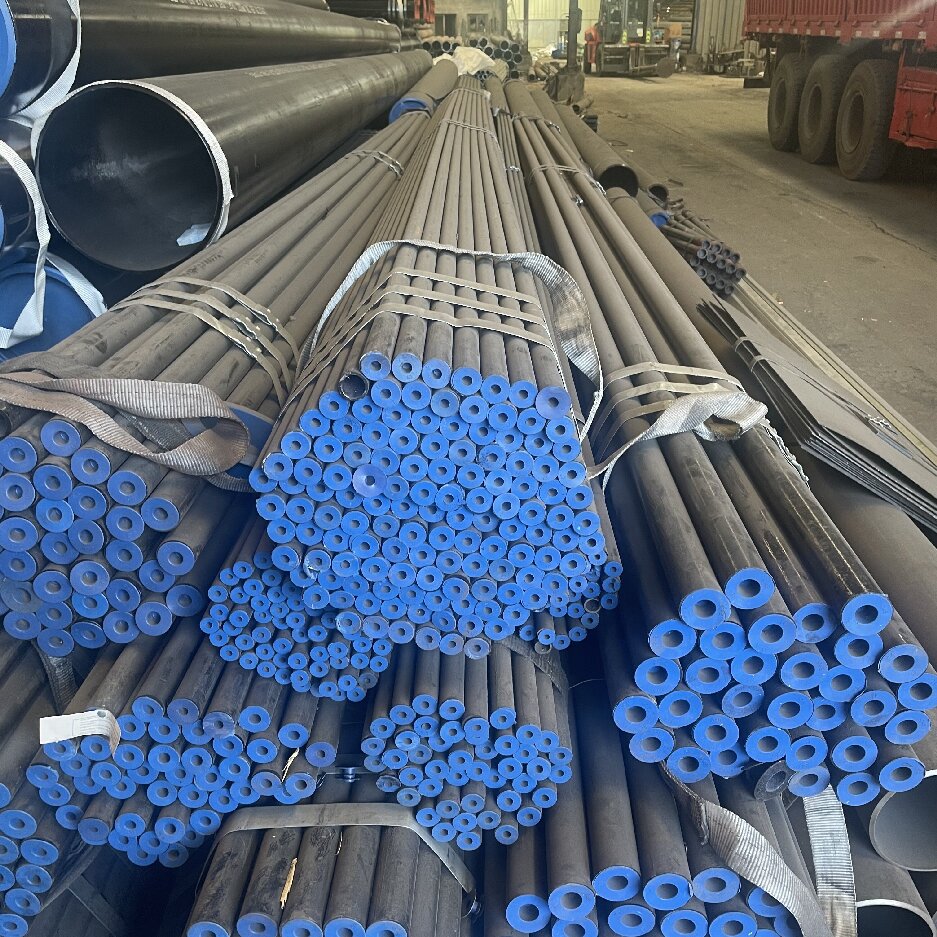
The preparation for CSL testing begins during the construction phase of the drilled shaft. At least three access tubes, with a minimum inside diameter of 38mm (1.5 inches), are installed within the shaft. These tubes are typically made of plastic or steel and are attached to the reinforcement cage, ensuring they extend the full length of the shaft. The tubes are evenly spaced around the perimeter of the cage to provide comprehensive coverage during testing.
Once the concrete has been poured and has achieved sufficient strength, the tubes are filled with water. The water serves as a coupling medium, facilitating the efficient transmission of ultrasonic waves between the transceivers placed inside the tubes. It is crucial to ensure that the tubes are free of debris and air bubbles, as these can interfere with the signal transmission and lead to inaccurate results.
3.The CSL Testing Procedure
The actual CSL testing is conducted using specialized equipment, such as the Cross Hole Analyzer System (CHAMP-Q) developed by GRL Engineers. The system consists of two main components: a transceiver that emits ultrasonic signals and a receiver that detects these signals after they have traveled through the concrete. Both the emitter and receiver are lowered into separate access tubes using probes.
The testing process begins by lowering the probes to the bottom of the shaft. The transceivers are then moved upward in unison, with the emitter sending out ultrasonic pulses at regular intervals. The receiver, positioned in a different tube, detects these pulses after they have traversed the concrete between the tubes. The time taken for the signal to travel from the emitter to the receiver, known as the time of flight, is recorded, along with the amplitude of the received signal.
This process is repeated for each pair of tubes, ensuring that the entire volume of the shaft is scanned. By analyzing the time of flight and amplitude data, engineers can identify areas where the signal has been delayed or attenuated, which may indicate the presence of defects within the concrete.
4.Data Interpretation and Analysis
The initial interpretation of CSL data is often performed in the field by the GRL engineer. Delayed pulse arrivals or low signal strength are primary indicators of potential defects. However, a more detailed analysis is typically conducted in the office, where the data can be reprocessed using advanced software tools.
One such tool is the PDI-TOMO tomographic software, which offers superior tomographic results for CSL testing. This software provides intuitive 3-D identification of questionable areas within the drilled shaft, allowing engineers to visualize the distribution and extent of defects. Additionally, PDI-TOMO enables quick and easy quantitative analysis, facilitating comprehensive engineering assessments of the shaft's integrity.
Tomography analysis, performed during reprocessing, is particularly useful in complex situations where defects may not be easily identifiable through simple time of flight or amplitude analysis. By reconstructing a 3-D image of the concrete's internal structure, tomography can reveal the precise location, shape, and size of defects, providing valuable insights for repair or reinforcement strategies.
5.Applications and Benefits of CSL Testing
CSL testing is widely used in the construction industry for a variety of applications. It is particularly valuable in projects where the integrity of deep foundation elements is critical, such as in bridge construction, where drilled shafts support large loads and are subject to dynamic forces from traffic and environmental factors. CSL testing can also be employed in the construction of high-rise buildings, offshore platforms, and other structures where foundation stability is paramount.
The benefits of CSL testing are numerous. Firstly, it provides a non-destructive means of evaluating concrete quality, eliminating the need for costly and time-consuming core sampling or excavation. Secondly, CSL testing offers high accuracy and reliability, enabling engineers to detect even small defects that may not be visible through other methods. Thirdly, the ability to perform tomography analysis enhances the interpretability of results, providing a more comprehensive understanding of the concrete's internal structure.
Moreover, CSL testing can be conducted at various stages of the construction process, from initial quality control during shaft construction to post-construction integrity assessments. This flexibility allows engineers to monitor the quality of concrete over time, identifying any deterioration or damage that may occur due to environmental factors or loading conditions.
Conclusion
Crosshole Sonic Logging (CSL) is a powerful and versatile tool for assessing the integrity of drilled shafts. By relying on the principles of ultrasonic wave transmission and advanced data analysis techniques, CSL provides engineers with a non-destructive means of evaluating concrete quality and identifying potential defects. The method's accuracy, reliability, and flexibility make it an indispensable part of modern construction practices, ensuring the safety and stability of deep foundation elements in a wide range of applications. As technology continues to advance, the capabilities of CSL testing are likely to expand, further enhancing its value in the construction industry.
The Crosshole Sonic Logging Method
Seamless Boiler Tubes: Ensuring Efficiency and Safety in Thermal Power Plants
Related Article