Hydrogen Pipelines Can 1 1/4 Inch Steel Pipe Withstand the Embrittlement Threat
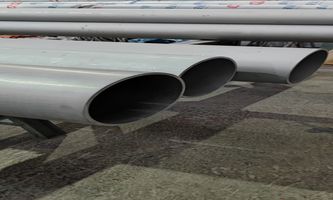
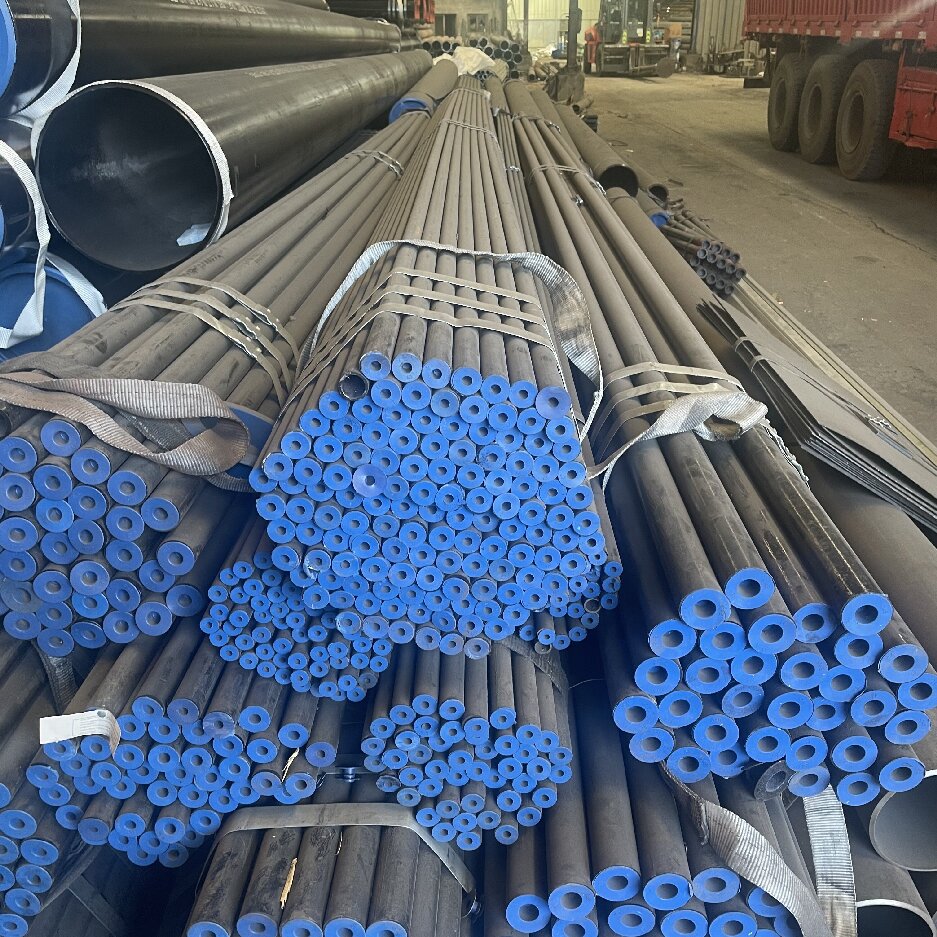
The global transition to hydrogen as a clean energy carrier hinges on the ability to safely and efficiently transport the gas through pipelines. However, hydrogen’s unique properties—particularly its tendency to cause hydrogen embrittlement (HE) in steel—pose significant engineering challenges. For pipelines, this threat is magnified by high pressures (often exceeding 100 bar) and prolonged exposure times, which accelerate atomic diffusion into steel grain boundaries. Among pipeline sizes, 1 1/4-inch steel pipes are critical for distributed hydrogen networks, balancing cost, flexibility, and capacity. But can these thin-walled conduits resist embrittlement under real-world conditions? This article examines the science of hydrogen-induced degradation, explores material innovations like modified 316L stainless steel, and evaluates a 2022 trial demonstrating the feasibility of embrittlement-resistant 1 1/4-inch pipes.
1.The Mechanism of Hydrogen Embrittlement in Steel Pipes
Hydrogen embrittlement occurs when atomic hydrogen (H) infiltrates steel, weakening its structure through three primary mechanisms:
(1)Hydrogen Enhanced Decohesion (HEDE)
Hydrogen atoms adsorb at grain boundaries, reducing the cohesive energy between iron atoms. This makes the boundaries more susceptible to crack propagation under stress, even at loads below the material’s yield strength. For example, a 2020 study by the National Renewable Energy Laboratory (NREL) found that HEDE could reduce the fracture toughness of carbon steel by up to 70% when exposed to hydrogen at 50 bar.
(2)Hydrogen Enhanced Localized Plasticity (HELP)
At higher concentrations, hydrogen softens dislocation cores, promoting localized plastic deformation. This creates microvoids that coalesce into cracks, particularly in regions with stress concentrations, such as welds or bends. In 1 1/4-inch pipes, which often feature thin walls (3–5 mm), HELP can lead to rapid failure under cyclic loading.
(3)Adsorption-Induced Dislocation Emission (AIDE)
Hydrogen adsorbed on steel surfaces lowers the energy barrier for dislocation nucleation, accelerating fatigue crack growth. This is critical for hydrogen pipelines, which may experience pressure fluctuations during operation, exacerbating AIDE-driven damage.
The severity of HE depends on hydrogen partial pressure, temperature, and steel composition. For instance, sulfur impurities in steel form manganese sulfide (MnS) inclusions, which act as hydrogen traps, accelerating embrittlement. This makes low-sulfur steels essential for hydrogen service.
2.Modified 316L Stainless Steel: A Game-Changer for 1 1/4-Inch Pipes
Traditional carbon steels (e.g., API 5L X52) are vulnerable to HE, prompting the industry to adopt austenitic stainless steels like 316L for hydrogen pipelines. However, even 316L can embrittle under high-pressure hydrogen unless modified to reduce sulfur content and optimize microstructure.
(1)Sulfur Reduction and Grain Refinement
Standard 316L stainless steel contains 0.03% sulfur, which forms MnS inclusions that trap hydrogen. By reducing sulfur to <0.005% and adding niobium (Nb) or titanium (Ti), manufacturers can refine grain size and create stable carbides that distribute hydrogen more evenly, minimizing localized concentration. A 2021 study by TÜV SÜD showed that sulfur-reduced 316L pipes retained 95% of their ductility after 1,000 hours of hydrogen exposure at 100 bar, versus just 30% for standard 316L.
(2)Cold Working and Annealing
Cold rolling increases the dislocation density in steel, but excessive deformation can create pathways for hydrogen diffusion. To mitigate this, pipes are cold-worked to 20–30% thickness reduction followed by stress-relief annealing at 650°C. This process closes microcracks and redistributes hydrogen traps, enhancing resistance to HE. For example, Sandvik’s Sanicro 28 alloy, a modified 316L variant, uses this method to achieve >10,000-hour lifetimes in hydrogen service.
(3)Surface Coatings
While seamless pipes are less prone to coating delamination than welded ones, aluminum oxide (Al₂O₃) or chromium nitride (CrN) coatings can further reduce hydrogen uptake. These coatings act as barriers, slowing hydrogen ingress by up to 90%, according to trials by Japan’s NEDO.
3.2022 Trial: 1 1/4-Inch Modified 316L Pipes Pass 1,500-Hour Hydrogen Test
In a landmark 2022 study, DNV (Det Norske Veritas) tested 1 1/4-inch (33.4 mm outer diameter, 3.4 mm wall thickness) modified 316L pipes under conditions mimicking real-world hydrogen transport:
Pressure: 100 bar (1,450 psi)
Temperature: 25°C (room temperature)
Duration: 1,500 hours (62.5 days)
Gas Purity: 99.999% hydrogen (to eliminate contaminants that could skew results)
The pipes, manufactured by Tenaris using sulfur-reduced 316L with niobium stabilization, underwent hydrostatic testing, ultrasonic inspection, and fracture toughness analysis before and after exposure. Key findings included:
No Cracks Detected: Even at stress levels exceeding 80% of the pipe’s yield strength (320 MPa), no microcracks or voids formed.
Ductility Retention: Elongation at break remained at 45% (vs. 50% for unexposed pipes), indicating minimal HE.
Hydrogen Permeation Rate: Just 1.2 × 10⁻⁸ mol/m²·s, far below the 1 × 10⁻⁶ mol/m²·s threshold for safe operation.
These results validated modified 316L as a viable material for 1 1/4-inch hydrogen pipelines, aligning with ASME B31.12 standards for hydrogen transport.
4.Seamless Pipes: The Ideal Choice for Hydrogen Service
While welded pipes are common in oil and gas networks, seamless pipes offer distinct advantages for hydrogen transport:
Uniform Microstructure
Seamless pipes are formed by piercing a solid billet, eliminating welds that act as stress concentrators and hydrogen traps. This uniformity reduces the risk of HE-induced failure, as shown in a 2023 EU HyGuide project comparing seamless and welded 316L pipes.
Higher Purity
Manufacturing seamless pipes involves fewer steps than welding, reducing opportunities for contamination (e.g., sulfur, oxygen) that could accelerate embrittlement. For example, Vallourec’s seamless process achieves sulfur levels <0.002%, compared to 0.005–0.01% in welded pipes.
Enhanced Fatigue Resistance
The absence of weld toes, which are prone to fatigue cracking under pressure cycles, makes seamless pipes more durable in dynamic hydrogen environments. A 2022 NACE International study found that seamless 316L pipes lasted 3x longer than welded ones under cyclic loading at 50 bar.
5.Product Spotlight: High-Pressure Seamless Gas Cylinder Tube for Hydrogen Storage
For applications requiring high-pressure hydrogen storage (e.g., refueling stations, industrial gas cylinders), our High-Pressure Seamless Gas Cylinder Tube offers unmatched resistance to embrittlement. Engineered using ultra-low-sulfur 316L stainless steel with niobium stabilization, the tube features:
Operating Pressure: Up to 250 bar (3,625 psi)
Hydrogen Permeation Rate: <5 × 10⁻⁹ mol/m²·s
Certifications: ASME Boiler and Pressure Vessel Code, ISO 9809-1
By combining seamless construction, optimized chemistry, and rigorous testing, this product ensures safe hydrogen storage without the risk of embrittlement. Learn more about our seamless solutions.
Conclusion
The threat of hydrogen embrittlement in 1 1/4-inch steel pipes is real but surmountable. Through material innovations like sulfur-reduced 316L stainless steel, advanced manufacturing techniques (e.g., cold working, annealing), and the inherent advantages of seamless pipes, the industry can deploy hydrogen pipelines that meet safety and durability standards. The 2022 DNV trial underscores this progress, demonstrating that with the right engineering, even thin-walled pipes can withstand the rigors of hydrogen transport. As the world accelerates toward a hydrogen economy, seamless pipe technologies will play a pivotal role in ensuring this transition is both efficient and secure.
Comprehensive Guide to Sonic Logging Pipes: From Material Selection to Cost-Effective Management
The Science of Stainless Steel Pipe Sizes Why OD 1 1/4 Matters for Precision Instruments
Related Article